
What is eMAR? Meaning, Definition & Why Care Homes Need One
A plain-English guide to eMAR for elderly-care centers in Thailand: what it is, how it cuts medication errors, and what to look for before you switch from paper.
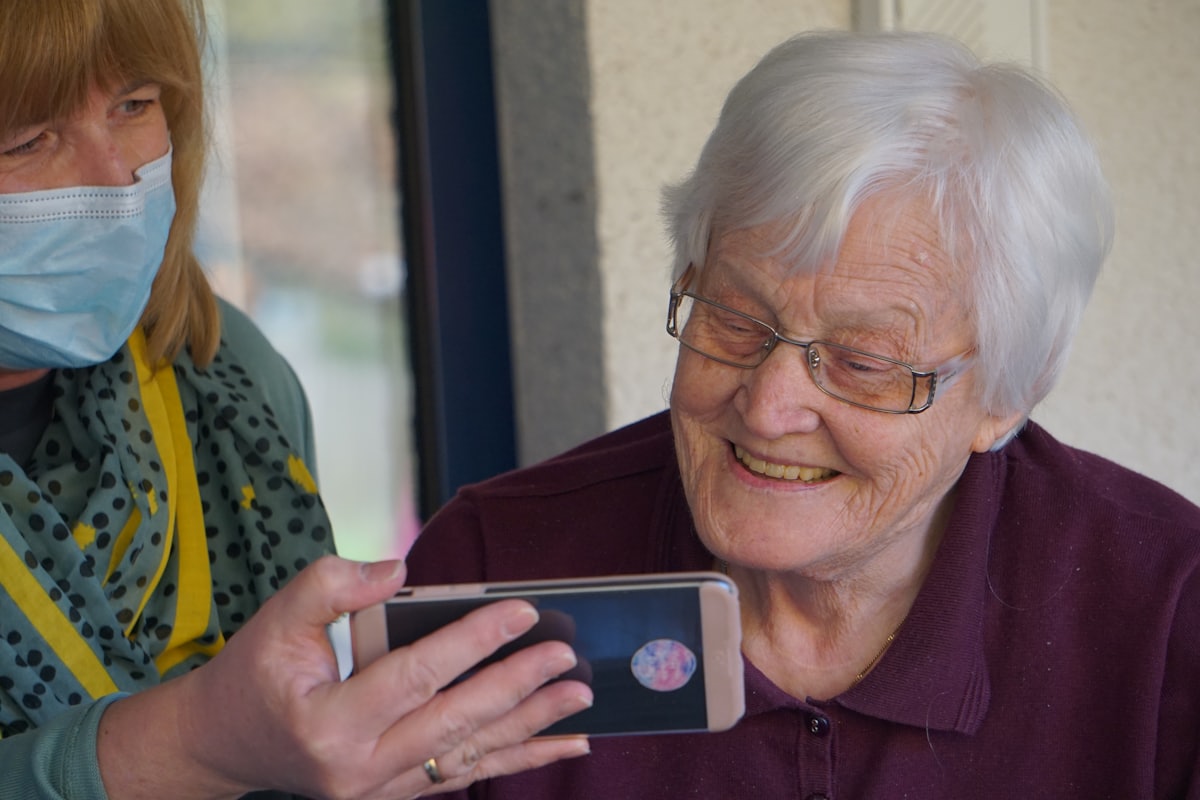
eMAR stands for electronic Medication Administration Record — software that replaces the paper drug chart.
A resident misses a dose, or gets one twice, and a small mistake on a paper chart becomes a real risk to someone’s health. eMAR exists to make that mistake far harder to make in the first place.
What eMAR actually means
eMAR stands for electronic Medication Administration Record. It is the digital replacement for the paper medication chart that hangs on a clipboard or sits in a binder at the nurses’ station.
On paper, a carer reads the chart, gives the medication, and signs a box by hand. The trouble is that paper does not check anything. It cannot tell you the dose is wrong, the time has passed, or that the box was never signed at all. You only find out when someone reviews the chart later, if they review it at all.
An eMAR system turns that same record into a live tool on a phone or tablet. When a dose is due, the carer sees it. When a dose is given, they confirm it with a tap. The record updates instantly and is visible to the whole team, not locked inside one binder in one building. The same eMAR medication workflow works whether you run a nursing home, a memory care unit, or a home-care team.
Why paper medication charts fail
Most care homes do not lose track of medication because their staff are careless. They lose track because paper has no safeguards built in. The common failure points are familiar to anyone who has run a shift:
- Missed doses go unnoticed until the next round, because nothing flags an empty box in real time.
- Handwriting is hard to read, so the next carer guesses at what was given and when.
- Charts live in one place, so a nurse off the floor cannot check what a resident has already had.
- Audits take hours, because confirming a month of doses means reading every line by hand.
Each of these is a small gap. Stacked across dozens of residents and three shifts a day, they add up to real risk and a lot of wasted time.
How eMAR prevents medication errors
A good eMAR does more than store the same information on a screen. It actively guards the round as it happens.
It shows what is due, when
Instead of scanning a chart to work out who needs what, the carer opens the app and sees a clear list of doses due now. Nothing is buried in a column of handwriting.
It warns before a mistake
If a dose is about to be given at the wrong time, to the wrong resident, or twice in one window, the system flags it before the carer confirms. This is where eMAR pairs naturally with AI risk detection — patterns that a tired human eye would miss get surfaced automatically.
It leaves a clean record
Every dose given, refused, or held is timestamped and attributed to a named carer. When สบส. inspection time comes, you are not reconstructing a month of paper. The record is already complete, searchable, and ready.
What to look for in an eMAR
Not every system labelled “eMAR” will suit a Thai care home. Before you switch, check a few things that matter in real use — the same discipline that applies when choosing care home software in general.
- It works on a phone the carer already carries. If staff have to walk to a desktop, they will go back to paper.
- It works offline. Connectivity in care settings is uneven. The mobile carer app should let a dose be recorded even with no signal, then sync when it reconnects.
- It connects to the resident’s full record. Medication does not exist in isolation. eMAR is far more useful when it sits alongside the resident e-chart, so a carer sees allergies, conditions, and recent notes in the same place.
- It is built for Thai compliance. The record must hold up to สบส. standards and handle resident health data under PDPA, not bolt those on as an afterthought.
Making the switch without disruption
The fear with any new system is that staff reject it and quietly return to paper within a month. The way to avoid that is to keep the daily action simpler than what it replaces. Giving a dose should be a glance and a tap, not a login and five screens.
In Caleo, the eMAR system is one part of a single platform that replaces the paper, Excel, and LINE messages a care home juggles today. Because the medication record, care notes, and resident e-chart live together, carers learn one tool instead of five — and the safety checks come for free, running quietly in the background of every round.
If you are weighing up whether eMAR is worth the change, the honest answer is that medication safety is the area where paper costs the most and a good system pays back the fastest. Talk to us and we will walk you through how it works on a real shift.