
Sarcopenia in Nursing Homes: Prevention Guide for Care Teams
Sarcopenia affects 29–41% of nursing home residents in Thailand. Learn AWGS 2019 screening, protein targets, and resistance exercise protocols for care staff.
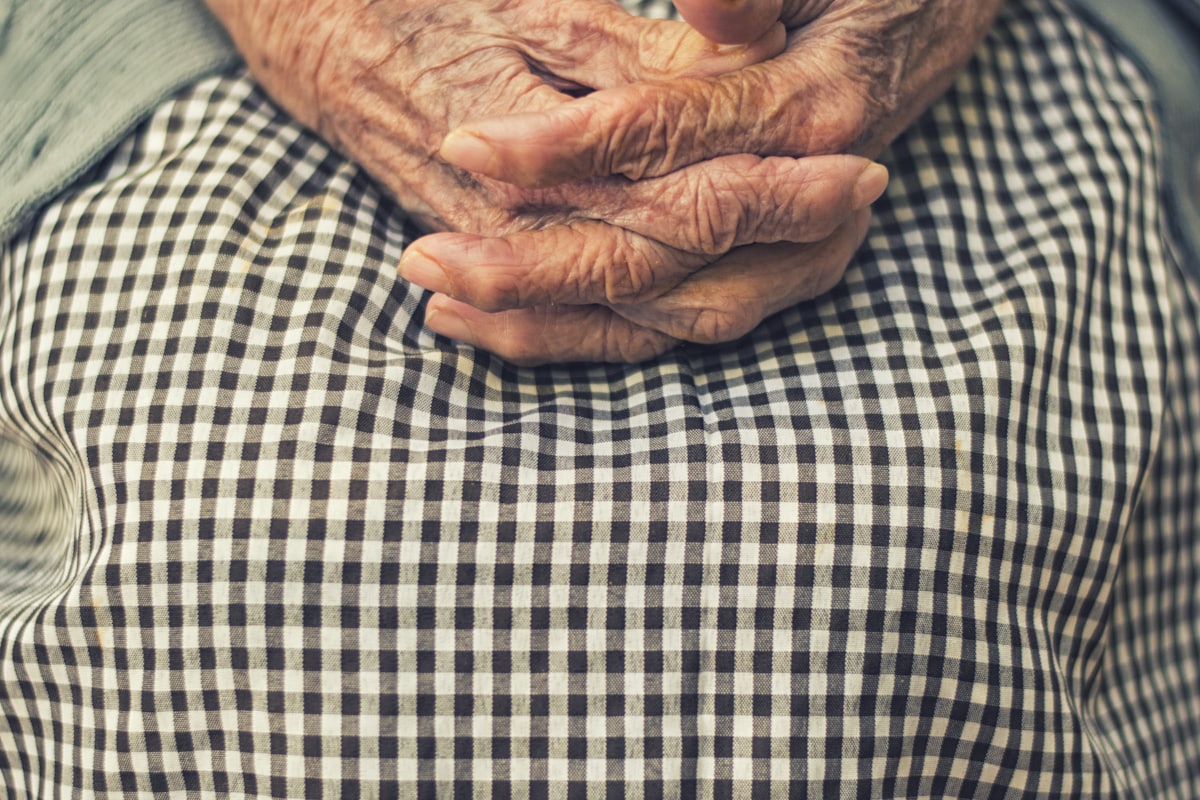
Sarcopenia — age-related loss of muscle mass, strength, and physical performance — is one of the most underrecognised risks in residential elderly care. Research on nursing homes in Thailand and across Asia consistently finds prevalence rates of 29–41%, significantly higher than in community-dwelling older adults. Left unaddressed, sarcopenia accelerates dependence in daily activities, raises fall and fracture risk, and shortens life expectancy.
What is Sarcopenia?
Sarcopenia is not simply a natural part of ageing. While muscle mass declines gradually after the age of 40, the process is significantly worsened by poor nutrition, physical inactivity, and chronic disease — all of which are common in nursing home residents. The Asian Working Group for Sarcopenia 2019 (AWGS 2019) consensus, which includes Thai clinical representation, defines three diagnostic components: appendicular skeletal muscle mass, muscle strength (grip strength), and physical performance (gait speed or Short Physical Performance Battery). Because sarcopenia develops over months to years, early detection and intervention deliver the best outcomes.
Warning Signs Staff Can Spot
Care staff do not need specialised equipment to notice early signs. Look out for:
- Visible limb thinning or clothing becoming looser without intentional weight loss
- Slower walking speed or noticeably shorter stride without joint pain
- Difficulty rising from a chair without pushing up with both hands
- Weakening grip — unable to open jars or carry objects that were manageable before
- Unusual fatigue during routine activities such as walking to the bathroom
Any resident showing two or more of these signs should be referred for formal assessment. Avoid normalising these changes as “just old age” — sarcopenia is both preventable and partially reversible with the right care.
Screening with AWGS 2019 Criteria
Facilities without DXA (dual-energy X-ray absorptiometry) can use BIA (Bioelectrical Impedance Analysis), which is widely available, combined with a hand dynamometer for grip strength and a 6-metre gait speed test. AWGS 2019 cut-off values for Asian populations:
- Grip strength: men < 28 kg / women < 18 kg
- Gait speed ≤ 1.0 m/s
- Skeletal muscle mass index (SMI) by BIA: men < 7.0 kg/m² / women < 5.4 kg/m²
Screen all new residents on admission, and repeat every three months for those at risk. Record results in each resident’s care file and track changes over time — the resident records module in Caleo is designed for exactly this kind of ongoing monitoring.
Nutrition: The Foundation of Prevention
Adequate protein intake is the single most important nutritional factor for preserving muscle mass. For older adults with sarcopenia, current evidence-based guidance recommends 1.0–1.2 g of protein per kg of body weight per day — higher than the standard RDA of 0.8 g/kg/day. Spread protein intake across all three meals, aiming for 25–30 g per meal. Good protein sources suited to Thai care home menus include eggs, firm tofu, fish, milk, and low-fat dairy products.
Practical points for care homes:
- Residents with dysphagia need high-protein foods in a texture-modified form rather than simply being offered fewer options
- Those eating less than 60% of their meal portions consistently should be considered for oral nutritional supplementation
- Food intake records for every meal help the team identify at-risk residents before muscle loss becomes severe
Resistance Exercise Programme
Both Thai clinical literature and the AWGS consensus confirm that resistance training is the most effective intervention for increasing muscle mass and strength. A practical protocol for a care home setting:
- Frequency: 3–4 sessions per week for at least 12 consecutive weeks
- Intensity: 40–60% of one-repetition maximum, or a level appropriate to the individual’s current capacity
- Suitable exercises: chair stands (sit-to-stand), heel raises, light dumbbell curls, resistance band rows
- Always include warm-up and cool-down stretching to reduce injury risk
Conduct individual health checks before starting any resident on a new exercise programme. Those with significant cardiac conditions or severe joint disease should be cleared by a physician first. Document exercise sessions and vital signs in the care notes module so the full care team can track progress, not just the physiotherapist running the sessions.
Integrating Sarcopenia Care Across Your Team
Effective sarcopenia prevention requires care staff, dietitians, and physiotherapists to coordinate around the same information. When resident data lives in separate spreadsheets, paper charts, and LINE group chats, early warning signs get missed. If your facility is looking for a system that connects nutritional monitoring, weight tracking, and care assessments in one place, contact Caleo to see how it can support your nursing home’s resident care programme.