
Dementia Care in Thai Elder-Care Homes: A Practical Guide
How Thai elder-care homes can support residents with dementia — practical steps on assessment, environment, behavioural care and family communication.
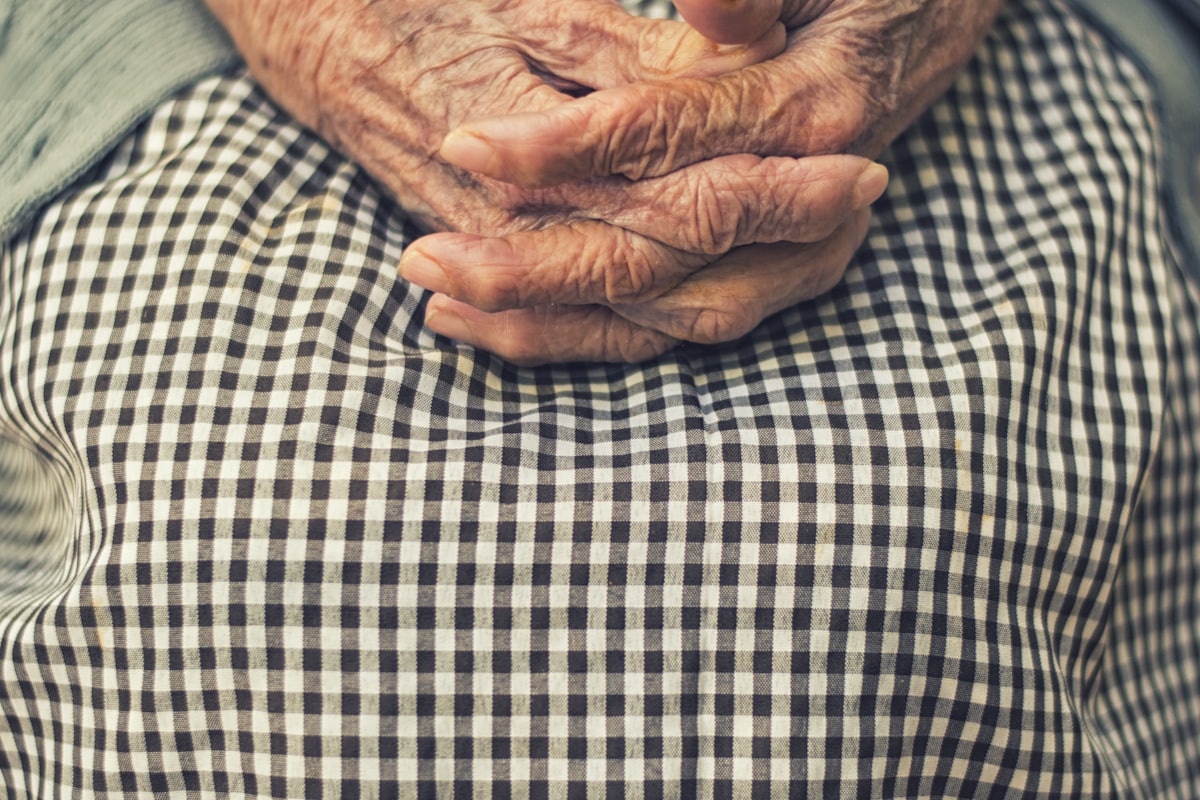
Dementia is one of the most common reasons residents are referred to elder-care homes in Thailand, yet many facilities are still set up for general nursing needs rather than the specific challenges dementia brings. Understanding what the condition looks like day-to-day — and adapting environment, communication and documentation accordingly — is the difference between a calm, safe unit and a reactive one.
What Dementia Looks Like in a Care Setting
Dementia is not a single disease but a group of conditions marked by progressive decline in memory, reasoning and the ability to manage daily life. Alzheimer’s disease is the most common form; vascular dementia — often linked to stroke or hypertension — is another type that operators in Thailand encounter regularly.
Day-to-day, staff see this as:
- Short-term memory loss: a resident cannot recall a conversation from ten minutes ago
- Disorientation in time and place: unsure of the date, year, or where they are
- Behavioural changes: agitation, repetitive questions, wandering, or occasional verbal and physical aggression
- Progressive loss of self-care ability — bathing, dressing and eating require increasing support over time
These behaviours stem from neurological changes, not intent. Understanding this helps staff respond with patience rather than frustration, and significantly reduces avoidable conflict.
Pre-Admission Assessment
Before accepting a resident with dementia, carry out a structured intake that covers:
- Cognitive stage: is there a physician’s diagnosis? What stage is the resident at — early, moderate or late?
- Activities of daily living: what can the person do independently, and what needs assistance?
- Behavioural history: does the resident wander, have sleep disturbances, or show episodes of agitation or aggression?
- Full medication list: some drugs worsen confusion; a pharmacist review at intake is worthwhile
- Primary family contact: who is the decision-maker for care, and are they reachable around the clock?
All of this belongs in a single resident record that every shift can access — not in a paper file that gets separated from the resident or lost at handover.
Environment and Physical Safety
Residents with dementia are far more sensitive to their surroundings than general elderly residents. Adjustments that make a real difference:
- Wandering prevention: door alarms or secure exits reduce the risk of residents leaving undetected; this is a key safety baseline
- Reduce sensory overload: loud televisions, bright lights and busy corridors increase agitation — quieter rest areas help considerably
- Grip rails and non-slip surfaces: standard fall-prevention measures matter even more for this group, who may not read their own environment accurately
- Night lighting: darkness and unfamiliar shadows are common triggers for confusion and distress during the night; soft ambient lighting reduces incidents
Communication and Behavioural Care
Adjusting communication style reduces distress on both sides and prevents many challenging episodes before they escalate:
- Speak slowly in short sentences; ask one question at a time rather than offering multiple options
- Do not argue when a resident is disoriented in time or place — acknowledge the feeling rather than correcting the factual error (“I can see you’re feeling unsettled — let’s sit together for a moment”)
- Always use the resident’s name; announce what you are about to do before touching them
- For sundowning (agitation that peaks in late afternoon and early evening), log the timing, duration and any identifiable triggers each time it occurs
Capturing these care notes quickly without sacrificing detail is where Caleo’s AI care notes help — staff speak or type a brief description and the system drafts a structured, person-centred note for review before it is saved.
Documentation and Monitoring
Consistent daily tracking is essential for residents with dementia, whose condition can fluctuate in ways that are easy to miss shift-to-shift:
- Sleep pattern: hours slept, night-time waking episodes
- Food and fluid intake: quantity consumed, and any swallowing difficulties or refusals
- Behavioural observations: what changed compared to yesterday or the last shift
- Medication adherence: dose taken on time, refused, or only partially taken
A continuous record lets the team spot trends. A deterioration spike often links to a medication change, an infection, or a shift in key caregivers — and a data trail makes that connection visible.
Keeping Families Informed
Families of residents with dementia typically carry high anxiety, especially in the early months after admission. A structured communication approach builds trust quickly:
- Assign one staff member as the primary family contact for each resident, so families know exactly who to call
- Provide routine updates and notify immediately for significant events: a fall, consistent food refusal, or a sudden change in condition
- Involve families in periodic care-plan reviews — they hold context about the resident’s life history, preferences and past responses to treatment that the clinical record rarely captures
A care home that handles dementia residents with confidence and transparency becomes a trusted referral point in its local community. To find out how Caleo supports structured documentation and care management for this resident group, get in touch at /en/contact/.