
AI care notes for care homes: less writing, more caring
Learn what makes a good elder care note, the documentation pitfalls most care homes face, and how AI turns brief inputs into complete, consistent records.
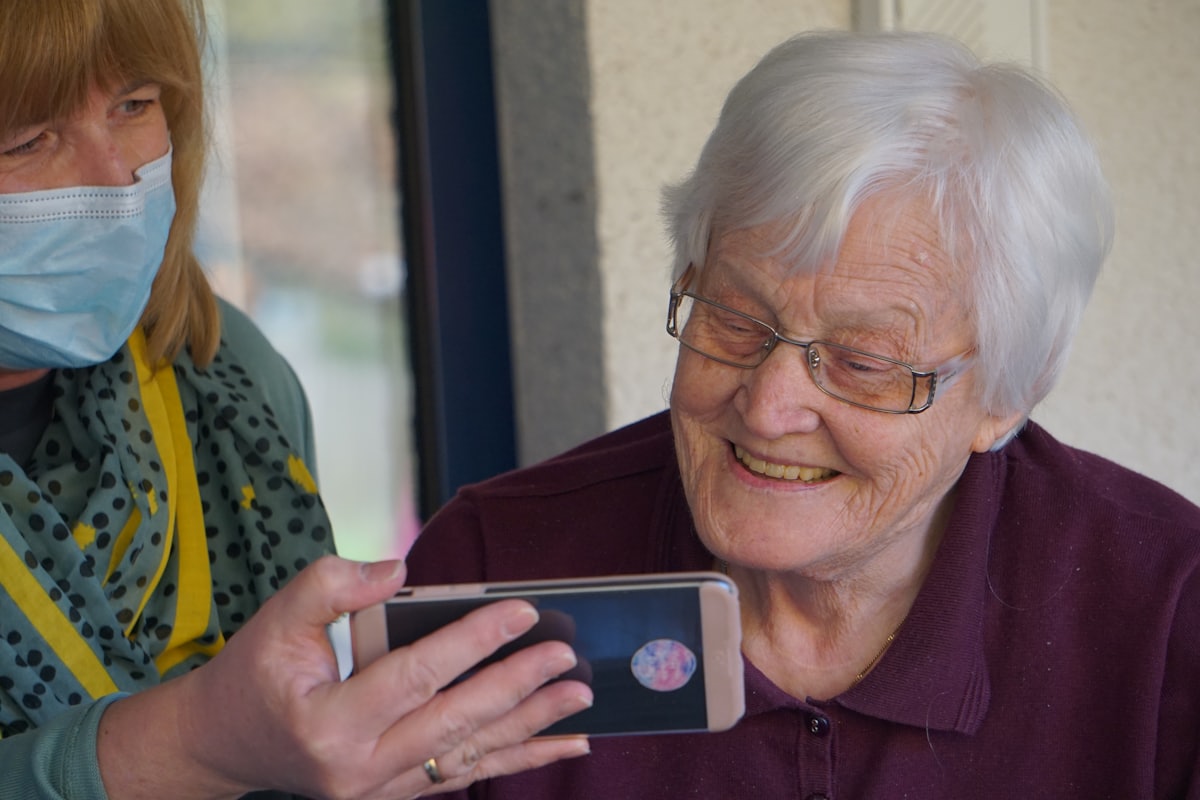
Care notes are the backbone of quality elder care — they connect shifts, protect the care home legally, and surface health changes before they become crises. Yet in most Thai care homes, staff spend a disproportionate amount of time writing rather than caring, and the notes they produce are often too brief to be useful. This post covers what belongs in a good AI care note, the documentation pitfalls to avoid, and how AI is changing the equation for care teams.
Why care notes matter more than you might think
A care note is not a bureaucratic formality. It serves several concrete functions every day:
- Accurate shift handover — the incoming team knows exactly how each resident is doing without having to guess or ask
- Legal protection — in the event of a complaint or adverse incident, complete records show what care was given and when
- สบส. inspection evidence — inspectors review care documentation to confirm that each resident is receiving the care outlined in their individual care plan
- Health trend tracking — daily records accumulate into a picture: declining appetite, changed sleep, new pain complaints — signals that warrant a medical review
What belongs in a care note
A complete care note should cover these elements for every entry:
- Resident name, date, and time of care provided
- ADL observations — how much the resident ate, bathing, toileting
- Mood and general condition — was the resident communicative, in pain, anxious about anything?
- Significant events — a fall, refusal of medication, any new or unusual symptom
- Handover items — anything the next shift needs to follow up on
- Name of the carer who wrote the entry, for accountability
The difference between a vague note and a useful one
A note that says “ate dinner, normal” tells the next shift almost nothing. A note that says “ate approximately half of dinner, drank one glass of water, was talkative and asked about family, reported mild left-knee pain” gives the team something to work with — and something to compare tomorrow.
Common documentation failures in care homes
Too brief or vague — entries like “OK” or “no issues” carry no clinical value and provide no legal protection if something later goes wrong.
Written at the end of the shift — when notes are batched at shift end, details get lost, especially on busy days with 20–30 residents. Retrospective notes are also harder to defend if challenged.
Inconsistent quality across staff — some carers write detailed, structured notes; others write a single line. Without a standard, the care record is only as good as the least experienced writer that day.
Time-consuming to produce — hand-writing or typing individual notes for every resident on every shift is a significant time burden, pulling carers away from direct care.
How AI changes care documentation
AI care notes work by accepting a short input from the carer — typed or spoken — such as “Mrs. Somjai ate half her lunch, good mood but complained of left-knee pain.” The system expands this into a structured, complete note ready for the carer to review and confirm. The carer stays in control; the AI handles the formatting and completeness.
The practical benefits for care home teams:
- Capture in the moment — notes written immediately after care are more accurate and less likely to miss details
- Consistent quality — the output follows a standard structure regardless of which carer writes the input
- Less time on paperwork — carers get back the time they were spending writing and spend it with residents instead
- Searchable records — digital notes can be filtered by resident, date, or keyword, making it far easier to prepare for inspections or share updates with families
Caleo’s AI care notes feature is designed specifically for Thai elder care settings — carers input in Thai, and the system produces a clean, person-centred note automatically. Notes connect directly to each resident’s e-chart and care record, replacing scattered paper files and Excel sheets.
Getting started with better documentation
Improving care documentation does not require overhauling everything at once. A practical starting point: set a minimum standard every carer can follow — write immediately after care, name the resident, note the time, record what happened, and flag anything for the next shift. Once that habit is in place, digital tools that make the standard easy to maintain are a natural next step.
If your care home is looking to reduce documentation burden while raising the quality of care records, get in touch with Caleo — the team can walk you through what getting started looks like for your size of operation.